

Avepo Agrovets Limited
Farmer Tips
Disease control, pest control, seed choices, and more — straight from our agronomists.
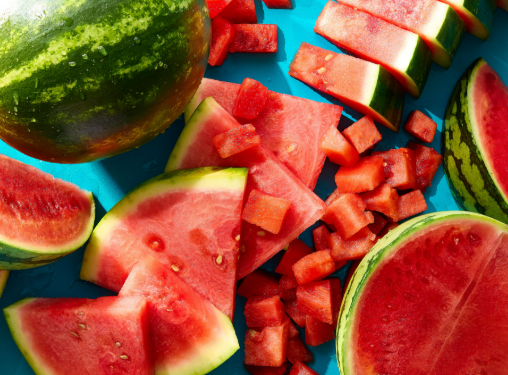
Preferred Type in Kenya The most preferred type in Kenyan Market is the Zebra type (dark green stripes) which should have: Yield Potential: 25 tons/acre Maturity: 80 – 90 days for most varieties Oblong fruits in shape Average fruit weight 7 – 10 kgs Rind: light green with dark green stripes Deep red flesh, crispy & firm TSS 11 – 12% (Total Soluble Sugar) Thick rind: Good for long distance transport Yield Potential: 25 tons/acre Climatic Requirements Long, warm growing periods Bright, hot days (27 – 35°C) Warm nights (16 – 21°C) Cool temperatures & excessive rainfall delay germination, slow growth, and cause poor fruit setting and hollow fruits High humidity increases disease susceptibility and reduces flowering Soil Requirements Sandy loam, rich in organic matter with good drainage Heavy soils slow crop development and cause cracked fruits Soil pH: 6 – 7 Apply lime if soil pH is too low Seed Requirements & Sowing Seed Rate: 500 – 600 grams per acre Single row system: Row spacing: 2.0 – 2.5 meters Plant spacing: 60 cm Double row system: Row spacing: 3.5 – 4.0 meters Plant spacing: 60 cm Manure & Fertilizer Application FYM: 5-8 tons/acre Basal: 2 bags NPK Yara Power or 2 bags DAP Top Dress: 1st: 2 bags Yara Nitrabor/Calcibor @ 25 Days after Planting 2nd: 1 bag NPK Yara Winner @ 45 Days after Planting Micronutrients Ca, Bo & Mg spray during vegetative, flowering and fruit setting stages Inter-Cultivation Crop Rotation: Use cereals, legumes, or pulses for at least 2 seasons Weeding: Regular to keep the field clean Harvesting & Yield Immature fruits have poor content Overripe fruits are fibrous Yield: Potential: 25 tons/acre under good agronomic practices Average: 15 tons/acre Irrigation: Irrigate before planting and then once a week Avoid irrigation after long dry spells (causes cracking) Most critical stages: Flowering & Fruit setting Pollination Cross-pollination by insects (especially honey bees) 1-2 bee hives per acre Best time: 9 am – 12 pm Avoid chemical spraying during morning flowering stages Poor pollination causes misshapen fruits Pest Management Major pests: Cucumber beetles, aphids, leafminers, thrips, melon flies Monitor with traps and field scouting Use pesticides based on pest population Maturity Indicators Color change from dark green to light green/yellow Drying tendrils Yellow ground spot Hollow sound on tapping
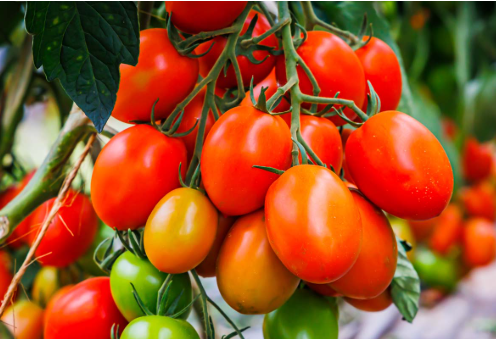
Variety Selection When choosing tomato varieties, prioritize the following: Fruit quality and market preference Resistance to diseases and tolerance to climatic conditions Growth habit (bushy or vining) Maturity period and adaptability to your region Types of Tomatoes: Determinate (Bush Type): Ideal for open fields. These grow to a certain height, set fruit once, and mature uniformly. They require minimal staking. Indeterminate (Vine Type): Commonly grown in greenhouses. These grow continuously and produce fruits over a long period. They require support structures. Recommended Determinate Varieties (Open Field) Ansal F1, Rafano F1, Raja F1, Nova, Harmony F1, Zara F1 For BW-free fields: Nyati F1, Terminator F1, Rionex, Star 9068, Kilele F1, Twiga F1, Eden F1, Ranger, Rambo F1 Ecological Requirements Water Source: Should be near the field or supported by tanks and drip systems. Crop Rotation: Avoid planting tomatoes after potatoes or pepper. Observe a 3-month break. Land Topology: Slightly sloping fields are best for drainage. Soil: Deep, well-drained loamy soil with pH between 6.0-7.5. Use lime for acidic soils and gypsum for alkaline soils. Conduct soil testing for proper fertilizer planning. Nursery Establishment Raised beds: 15cm high with 30cm walkways Fine soil texture for better seed emergence Sow seeds 1cm deep and 15cm apart Mulch to retain moisture and minimize splashing Water in the morning; germination starts around day 8 Reduce watering before transplanting to harden seedlings Drench the nursery using: Bamako/Confidor/Loyalty (10g/20L) + Ridomil Gold/Matco72/Victory/Trinity Gold (50g/20L) Transplanting Water nursery before uprooting Transplant early morning or late evening using a trowel Maintain soil ball around roots Spacing: 60cm (between rows) × 45cm (within rows) Fertilizer Application Basal: Phosphate for early root growth Topdressing: At flowering: Yara Nitrabor or Calcibor Two weeks later: NPK Yara Winner After first harvest: Mix Nitrabor/Calcibor : Yara Winner (1:2) Recommended Foliar Sprays: Goldchance Super Flowers, Omex Murex K, Yara Vita Power Boost, Goldchance Multi-K, Easy Gro Flower and Fruit Irrigation Ensure adequate but not excessive watering. Avoid waterlogging and nutrient leaching. Staking (Support) Start early after transplanting. Use poles and wires to support plants. Increases yield and reduces stem breakage. Pruning Remove suckers, side shoots, old/diseased leaves weekly. Avoid removing productive branches. Yellowing lower leaves should also be removed to prevent disease. Weed Management – Weed regularly to reduce competition and disease pressure. Pest Control Major Pests: American Bollworm, Cutworms, Red Spider Mites, Tuta absoluta, Nematodes Effective Insecticides (rotate use): Rapid 120EC, Occasion Star 200SC, Relay 150SC, MitePawa 1.8EC, Escort 19EC, Cyclotron 450EC, Lexus 247SC, Kingcode Elite, Umeme Top 50EC, Pentagon 50EC Disease Management Tomato Blight (Fungal): Symptoms: Brown patches on leaves/stems/fruits Fungicides: Ridomil Gold, Trinity Gold, Acrobat, Absolute Star, Orvego, Matco 72, Luna Sensation, Mistres Bacterial Wilt: Use certified seeds and avoid infected soil Blossom End Rot: Maintain consistent watering Apply calcium-rich foliar fertilizers: Calmabon, Calmag, Ferrari Gold Harvesting Harvest begins from 65 days after transplanting; time may vary by variety.
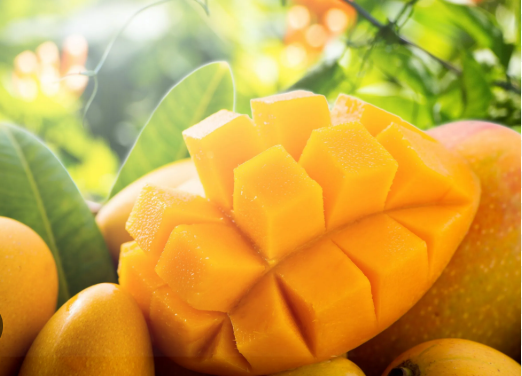
Mango Production Mango is one of the most important fruits in the tropics, with its industry expanding in size and geographical location. It is grown in various counties in Kenya and is consumed as fresh fruit or processed into juices and jams. Here is an in-depth guide on mango production, focusing on varieties, planting, maintenance, pests, diseases, and nutrition. 1. Varieties Various mango varieties are cultivated, each with differences in shape, color, taste, fiber content, seed size, and resistance to pests and diseases. The main varieties include: – Apple, Ngowe, Kent, Keitt, Tommy Atkins, Vandyke. 2. Planting Mangoes thrive in deep soils with a spacing of 8-10 meters and a depth of between 1 cubic meter to 0.5 cubic meters. When preparing the planting hole, mix the topsoil with a debe of manure and a compound fertilizer, preferably NPK, mixed with HUMIPOWER/BLACK EARTH (a soil conditioner) at a rate of 1 kg per 50 kg of fertilizer. 3. Maintenance *Pruning Pruning is essential for maintaining shape, size, and canopy management. There are two main types of pruning: – Formative Pruning: Done in the first year to ensure the correct shape. – Structural Pruning: Follows harvesting to improve yield and quality. After pruning, spray with CUPROCAFFARO/FUNGURAN/GREENCOP at 50g in 20L of water to manage bacterial diseases. 4. Pests To attain high yields of pest-free and high-quality mango fruits, control insect pests at all growth stages, including flushing, flowering, pinhead, early fruit development, and maturity. i. Mango Fruit Fly – Description: Causes more than 50% loss of mango fruits. Females lay eggs on the fruit’s surface, with maggots penetrating and destroying the fruit, leading to rotting and fruit fall. *Control: – LEXUS 247 SC at 10ml in 20L of water – RELAY 150SC at 5ml in 20L of water (long residue effect) – KINGCODE ELITE 50 EC/RAPID 120EC at 10mls/20L of water (Superior double-molecule insecticide) ii. Mango Seed Weevil – Description: Spread by transporting infested fruits, damaging export quality. *Control: – EMERALD 200 SL at 10ml in 20L of water. iii. Scales and Mealybugs – Description: Visible honeydew/sooty mold leads to ants’ invasion, reducing fruit quality. – *Control: – EMERALD 200 SL at 10ml in 20L of water – LEXUS 247 SC/ENGEO 247 SC at 10ml in 20L of water iv. Gall Midge – Description: Symptoms include galls on leaves, affecting photosynthetic ability. *Control: – LEXUS 247 SC/ENGEO 247 SC at 10ml in 20L of water 5. Mango Diseases Mango production faces several challenges, with fungal infections being a significant concern. Key diseases include powdery mildew, anthracnose, and rust, affecting trees during various growth stages. i. Powdery Mildew – Description: Fungal infection attacking leaves, buds, flowers, and young fruits. – Control: – ABSOLUTE STAR 400 SC/TOKEN 325 SC at 10ml in 20L of water – PEARL 500 SC/GOLDAZIM 500 SC/CHARIOT 500 SC in 20L of water ii. Mango Anthracnose – Description: Caused by Colletotrichum gloeosporioides var minor, favored by wet or humid weather. *Control: – ABSOLUTE STAR 400 SC/TOKEN 325 SC at 10ml in 20L of water – TRINITY GOLD 452 WP at 50g in 20L of water. 6. Mango Nutrition Flowering fruits, including mangoes, require proper nutrition to ensure quality yields. Proper flowering, fruit retention, and quality are influenced by several nutrients. i. Boron Deficiency – Symptoms: Flower and fruit abortion, cracking of fruit, leathery leaves, and brown areas in the fruit pulp. *Solution: – BOROZINC at 50ml in 20L of water – CALMABON at 50ml in 20L of water before flowering and during fruit development ii. Zinc Deficiencies – Symptoms: Little leaf symptom, small leaves, general dwarfness, and chlorotic foliage. *Solution: – ZINC GOLD at 20ml in 20L of water – BOROZINC at 50ml in 20L of water at all growth stages iii. Root Development/Immunity Booster *Solution: – LAVENDER TOTAL/WUXAL MACROMIX at 20 ml/20 liters during flushing and pinhead stages. iv. Fruit Quality and Ripening *Solution: – GOLDCHANCE SUPER FLOWERS AND FRUITS/EASYGRO FLOWER AND FRUITS/MUREX K at bud breaking, full bloom, and fruit maturity stages.
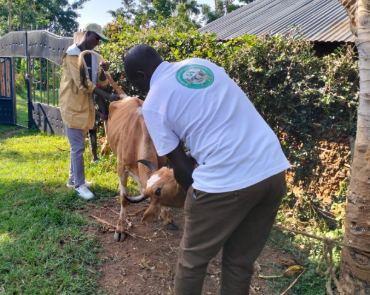
Mode of action: Paralyzes worms’ nervous system, making them expellable ○ Spectrum: Strong against roundworms and lungworms; less effective on flukes and tapeworms. ○ Market examples: Nilverm, Knockdown, Nilzan Super, Levas Extra, Nemarid, Super, Kapsole, Wormicid Plus-O, Nemarid Plus, Levas Diamond, Wormicid Liquid General Signs of Worm Infestation ● Loss of appetite and poor growth ● Diarrhoea (may contain blood/mucus) ● Swollen belly (“pot belly” in young animals) ● Pale gums and anaemia ● Rough hair coat and general weakness ● Bottle jaw (swelling under jaw due to Haemonchus contortus) ● Reduced milk yield and fertility ● Death in severe infestations
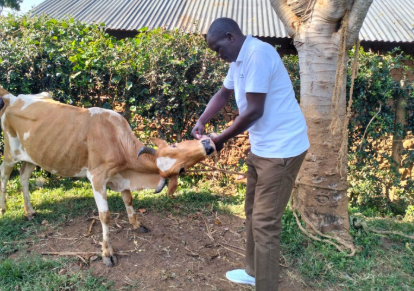
Mode of action: Blocks worm energy metabolism, leading to starvation and death. ○ Spectrum: Broad spectrum; effective against roundworms, some tapeworms,and adult liver flukes. ○ Market examples: Albafas, Trubenzole, Bovaloze, Albevas, Nefluk, Wormita, Dexoben General Signs of Worm Infestation ● Loss of appetite and poor growth ● Diarrhoea (may contain blood/mucus) ● Swollen belly (“pot belly” in young animals) ● Pale gums and anaemia ● Rough hair coat and general weakness ● Bottle jaw (swelling under jaw due to Haemonchus contortus) ● Reduced milk yield and fertility ● Death in severe infestations
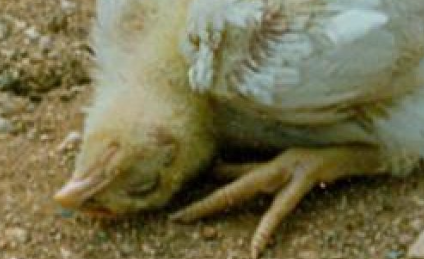
Cause: Avian paramyxovirus (NDV) Highly contagious, spread through direct contact, contaminated feed/water/equipment, clothing, and airborne transmission over short distances. The virus can survive for weeks in the environment. Clinical Signs ● Coughing, sneezing, rattling breathing ● Yellowish-green diarrhoea ● Nervous signs (tremors, twisted neck) ● Depression ● Drop in egg production, soft-shelled eggs Control & Prevention ● Vaccination ● Strict biosecurity: control access, disinfect footwear/vehicles, control vectors (wild birds, rodents, insects), maintain sanitation. ● No cure; provide supportive treatment.
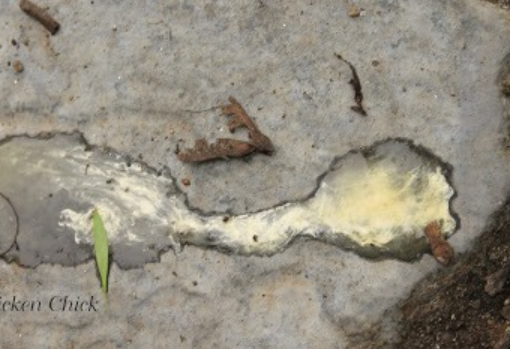
Cause: Salmonella Gallinarum Clinical Signs: Drowsiness Huddling Poor growth Watery or chalky white diarrhoea, often pasted around the vent Reduced egg production Treatment & Prevention: ● Treat with sulfonamides (1 ml or 1 g per litre of water for 3–5 days) or oxytetracycline/doxycycline (1 g per litre of water for 3–5 days). ● Use probiotics and supportive care (warmth, easy access to feed and water, stress reduction). ● Control rodent and biting fly populations. ● Practice biosecurity and vaccination.
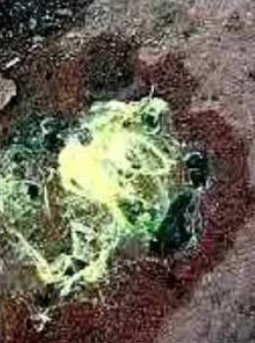
Cause: Pasteurella multocida This contagious bacterial infection ranges from acute septicaemia (blood poisoning) to chronic, localized infections. Clinical Signs: Swollen wattles with purplish discoloration Respiratory distress (coughing, sneezing) Yellowish diarrhoea Treatment & Prevention ● Treat with erythromycin or sulfadiazine at 1 g per litre of water for 3–5 days. ● Clean and disinfect poultry facilities regularly. ● Properly dispose of dead birds. ● Prevent contact with wild birds. ● Quarantine new birds before introduction.
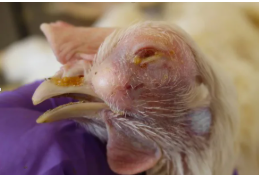
Also known as fowl coryza. Cause: Haemophilus paragallinarum Clinical Signs: Facial swelling Purulent ocular and nasal discharge Sneezing Treatment & Prevention: Treat with antibiotics such as oxytetracycline, tylosin, or trimethoprim at 1 g per litre of water, or enrofloxacin at 1 ml per litre of water. Good husbandry practices are essential. Best prevention is through strict biosecurity.