

WATERMELON PRODUCTION
General
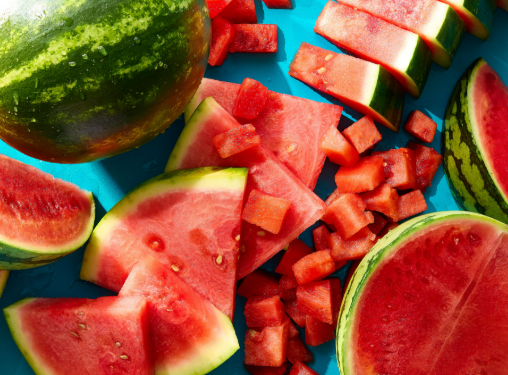
Preferred Type in Kenya The most preferred type in Kenyan Market is the Zebra type (dark green stripes) which should have: Yield Potential: 25 tons/acre Maturity: 80 – 90 days for most varieties Oblong fruits in shape Average fruit weight 7 – 10 kgs Rind: light green with dark green stripes Deep red flesh, crispy & firm TSS 11 – 12% (Total Soluble Sugar) Thick rind: Good for long distance transport Yield Potential: 25 tons/acre Climatic Requirements Long, warm growing periods Bright, hot days (27 – 35°C) Warm nights (16 – 21°C) Cool temperatures & excessive rainfall delay germination, slow growth, and cause poor fruit setting and hollow fruits High humidity increases disease susceptibility and reduces flowering Soil Requirements Sandy loam, rich in organic matter with good drainage Heavy soils slow crop development and cause cracked fruits Soil pH: 6 – 7 Apply lime if soil pH is too low Seed Requirements & Sowing Seed Rate: 500 – 600 grams per acre Single row system: Row spacing: 2.0 – 2.5 meters Plant spacing: 60 cm Double row system: Row spacing: 3.5 – 4.0 meters Plant spacing: 60 cm Manure & Fertilizer Application FYM: 5-8 tons/acre Basal: 2 bags NPK Yara Power or 2 bags DAP Top Dress: 1st: 2 bags Yara Nitrabor/Calcibor @ 25 Days after Planting 2nd: 1 bag NPK Yara Winner @ 45 Days after Planting Micronutrients Ca, Bo & Mg spray during vegetative, flowering and fruit setting stages Inter-Cultivation Crop Rotation: Use cereals, legumes, or pulses for at least 2 seasons Weeding: Regular to keep the field clean Harvesting & Yield Immature fruits have poor content Overripe fruits are fibrous Yield: Potential: 25 tons/acre under good agronomic practices Average: 15 tons/acre Irrigation: Irrigate before planting and then once a week Avoid irrigation after long dry spells (causes cracking) Most critical stages: Flowering & Fruit setting Pollination Cross-pollination by insects (especially honey bees) 1-2 bee hives per acre Best time: 9 am – 12 pm Avoid chemical spraying during morning flowering stages Poor pollination causes misshapen fruits Pest Management Major pests: Cucumber beetles, aphids, leafminers, thrips, melon flies Monitor with traps and field scouting Use pesticides based on pest population Maturity Indicators Color change from dark green to light green/yellow Drying tendrils Yellow ground spot Hollow sound on tapping
Comments & Reviews
No comments yet. Be the first to share your thoughts on this tip.
Leave a Comment
Comments are checked by our team before appearing publicly.