

TOMATO PRODUCTION
General
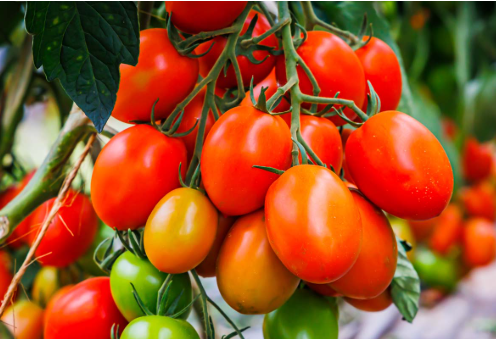
Variety Selection When choosing tomato varieties, prioritize the following: Fruit quality and market preference Resistance to diseases and tolerance to climatic conditions Growth habit (bushy or vining) Maturity period and adaptability to your region Types of Tomatoes: Determinate (Bush Type): Ideal for open fields. These grow to a certain height, set fruit once, and mature uniformly. They require minimal staking. Indeterminate (Vine Type): Commonly grown in greenhouses. These grow continuously and produce fruits over a long period. They require support structures. Recommended Determinate Varieties (Open Field) Ansal F1, Rafano F1, Raja F1, Nova, Harmony F1, Zara F1 For BW-free fields: Nyati F1, Terminator F1, Rionex, Star 9068, Kilele F1, Twiga F1, Eden F1, Ranger, Rambo F1 Ecological Requirements Water Source: Should be near the field or supported by tanks and drip systems. Crop Rotation: Avoid planting tomatoes after potatoes or pepper. Observe a 3-month break. Land Topology: Slightly sloping fields are best for drainage. Soil: Deep, well-drained loamy soil with pH between 6.0-7.5. Use lime for acidic soils and gypsum for alkaline soils. Conduct soil testing for proper fertilizer planning. Nursery Establishment Raised beds: 15cm high with 30cm walkways Fine soil texture for better seed emergence Sow seeds 1cm deep and 15cm apart Mulch to retain moisture and minimize splashing Water in the morning; germination starts around day 8 Reduce watering before transplanting to harden seedlings Drench the nursery using: Bamako/Confidor/Loyalty (10g/20L) + Ridomil Gold/Matco72/Victory/Trinity Gold (50g/20L) Transplanting Water nursery before uprooting Transplant early morning or late evening using a trowel Maintain soil ball around roots Spacing: 60cm (between rows) × 45cm (within rows) Fertilizer Application Basal: Phosphate for early root growth Topdressing: At flowering: Yara Nitrabor or Calcibor Two weeks later: NPK Yara Winner After first harvest: Mix Nitrabor/Calcibor : Yara Winner (1:2) Recommended Foliar Sprays: Goldchance Super Flowers, Omex Murex K, Yara Vita Power Boost, Goldchance Multi-K, Easy Gro Flower and Fruit Irrigation Ensure adequate but not excessive watering. Avoid waterlogging and nutrient leaching. Staking (Support) Start early after transplanting. Use poles and wires to support plants. Increases yield and reduces stem breakage. Pruning Remove suckers, side shoots, old/diseased leaves weekly. Avoid removing productive branches. Yellowing lower leaves should also be removed to prevent disease. Weed Management – Weed regularly to reduce competition and disease pressure. Pest Control Major Pests: American Bollworm, Cutworms, Red Spider Mites, Tuta absoluta, Nematodes Effective Insecticides (rotate use): Rapid 120EC, Occasion Star 200SC, Relay 150SC, MitePawa 1.8EC, Escort 19EC, Cyclotron 450EC, Lexus 247SC, Kingcode Elite, Umeme Top 50EC, Pentagon 50EC Disease Management Tomato Blight (Fungal): Symptoms: Brown patches on leaves/stems/fruits Fungicides: Ridomil Gold, Trinity Gold, Acrobat, Absolute Star, Orvego, Matco 72, Luna Sensation, Mistres Bacterial Wilt: Use certified seeds and avoid infected soil Blossom End Rot: Maintain consistent watering Apply calcium-rich foliar fertilizers: Calmabon, Calmag, Ferrari Gold Harvesting Harvest begins from 65 days after transplanting; time may vary by variety.
Comments & Reviews
No comments yet. Be the first to share your thoughts on this tip.
Leave a Comment
Comments are checked by our team before appearing publicly.